Our First Pig Shelter: An Unexpected Arrival
Local wood, five pigs arriving before their shelter was ready, and a refreshing first taste of Madd: another lesson in learning as we go.
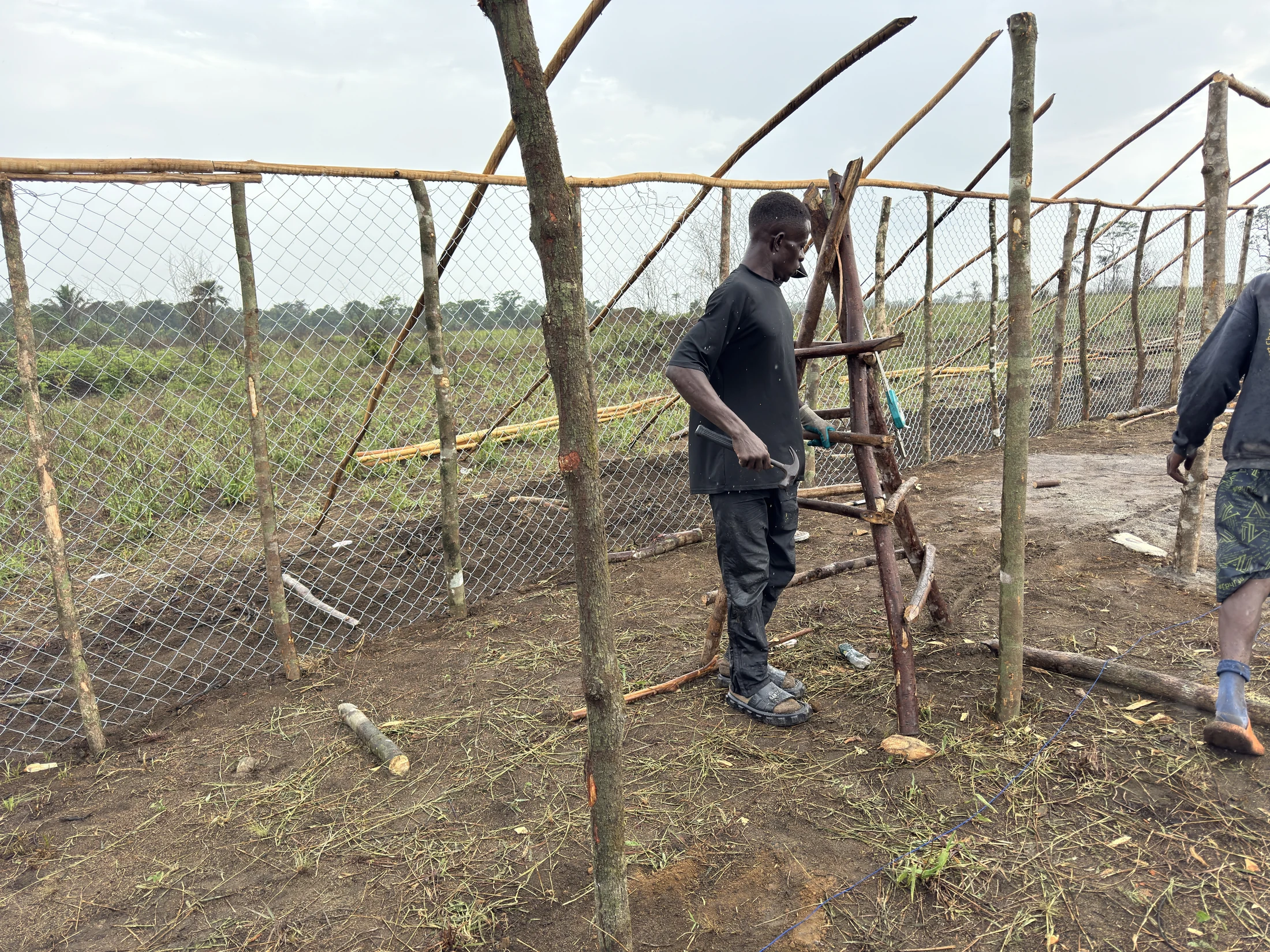
On 23 March 2026, we were working on our first pig shelter at MNC Farms in Grand Bassa County, Liberia. The experience of building the duck house had made us think carefully about construction costs. For this shelter, we decided to use wood available locally and from our own area.
We had a plan for getting the shelter ready before the pigs arrived. What happened next left us rushing to finish enough of it to give them somewhere to stay.
- Pigs in our first group
- 5
- Pig purchases combined (USD)
- $420
- Preparation time requested
- 1 week
Keeping construction costs down
After the expense of the duck house, we did not want to spend as much on the next animal shelter. We gathered wood locally and began putting the structure together. Our construction purchases were fence wire, cement, and blocks.
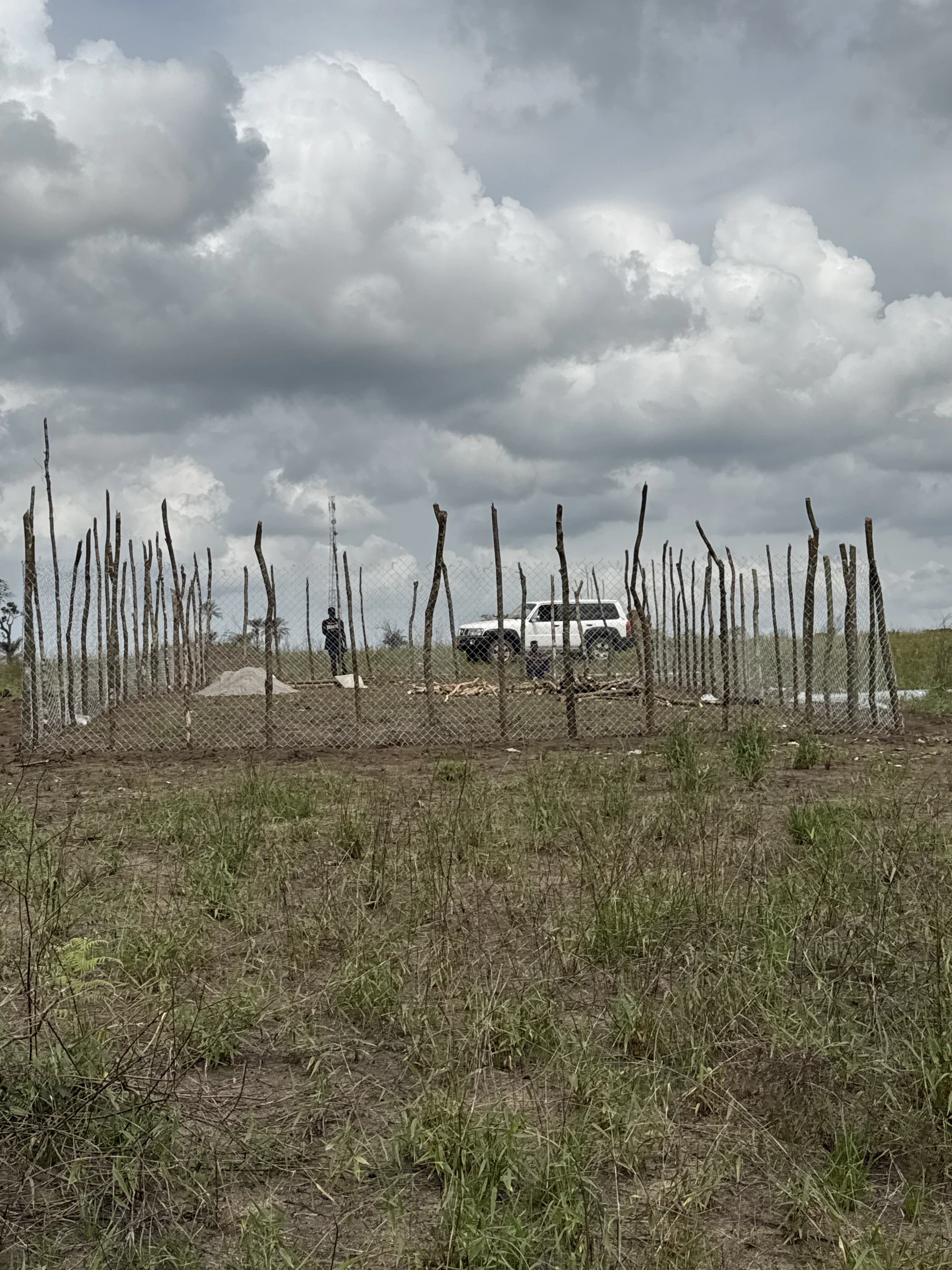
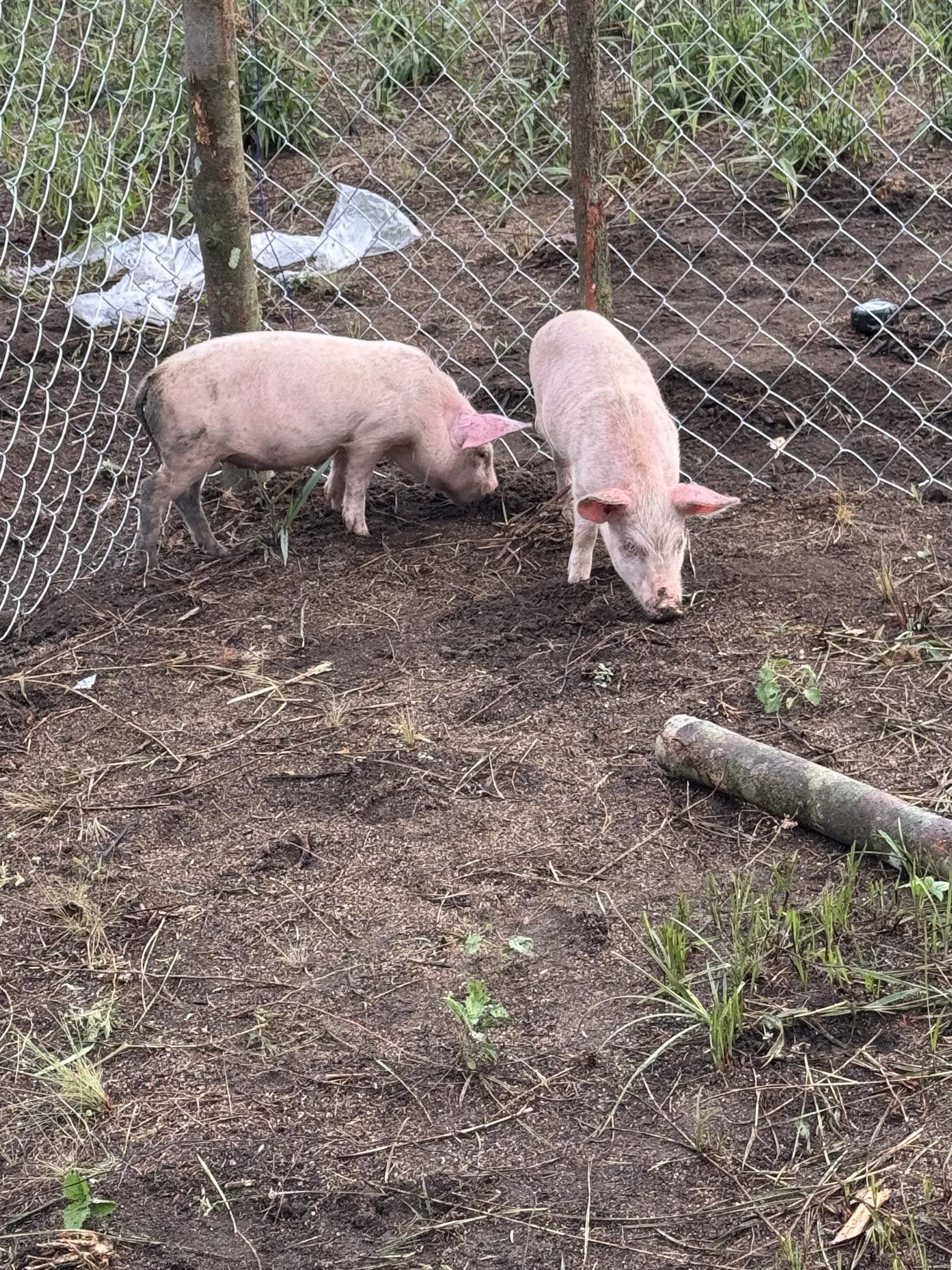
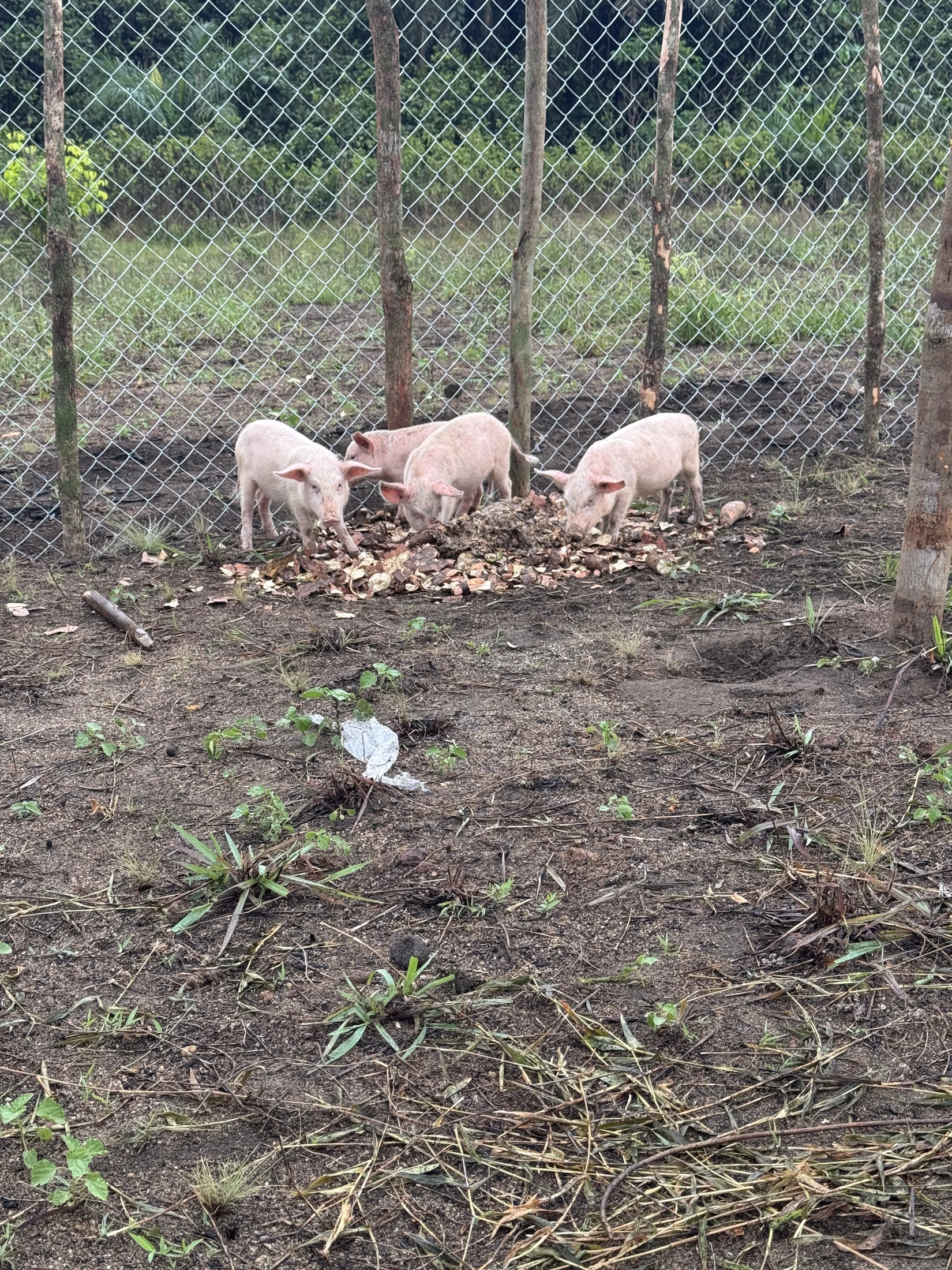
The photographs show the enclosure taking shape, with wooden posts supporting the wire fence and the shelter framework still open. We were making use of the materials around us while preparing for another group of animals.
A week to prepare became one day
We asked the people delivering the pigs to come in one week so that we could have the shelter ready. Instead, the seller brought them the very next day. When we explained that we were not ready, he did not want to take them back.
That put us in a difficult situation. The pigs were already there, but the shelter was unfinished. We had to hurry with the fencing and put together a small shelter for them to stay in while we continued the work.
We managed somehow, but it was a stressful start. A job we had expected to complete before their arrival now had to be done with the animals already on the farm.
The five pigs we started with
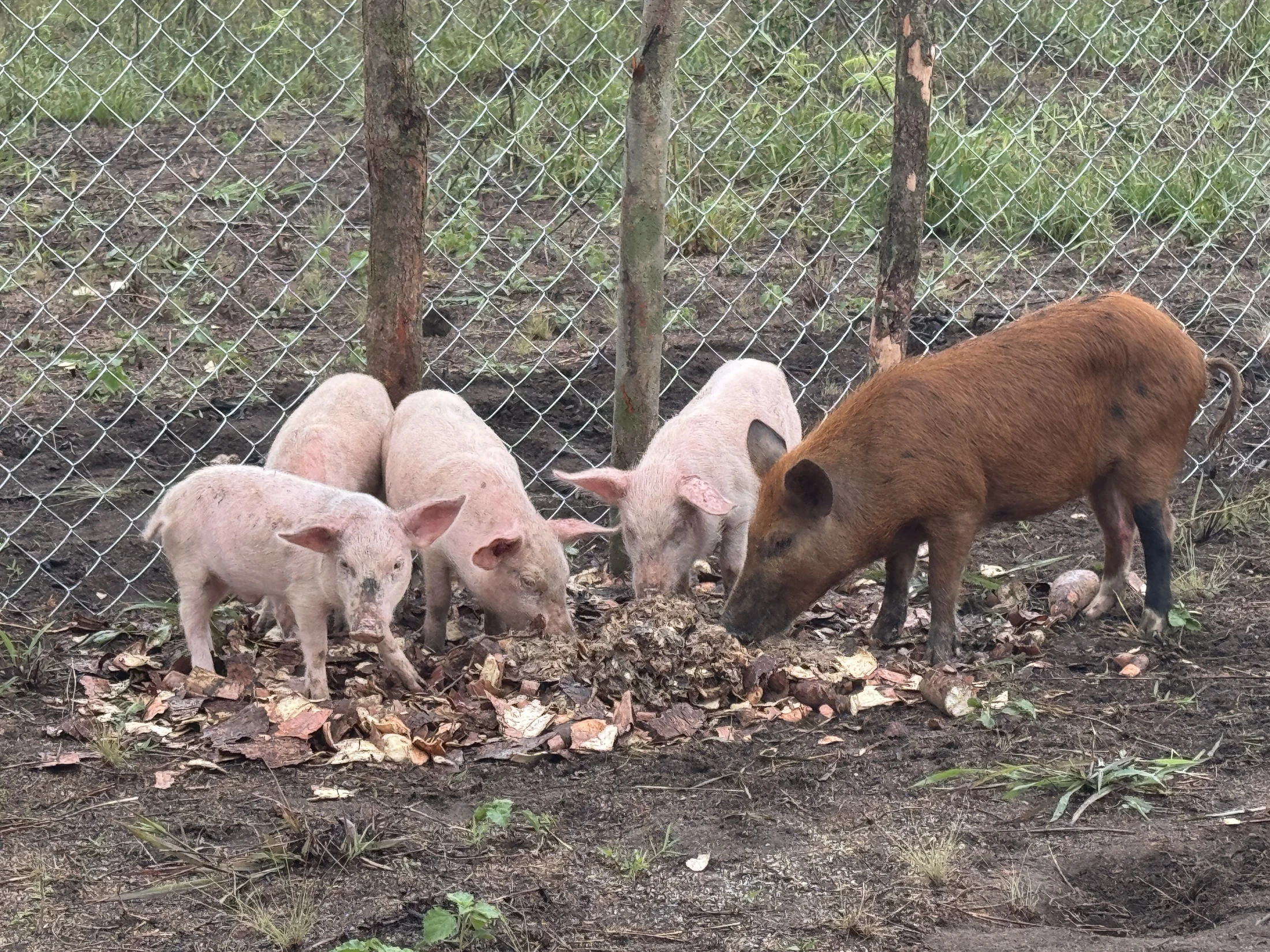
Our first group included four white pigs: one male and three females. We paid US$350 for the four together. We also bought a brown country-breed pig for US$70, bringing the combined pig purchase to US$420.
Those figures record the animals we bought at this stage. The fence wire, cement, and blocks were separate construction expenses.
| Item | Amount |
|---|---|
| 4 white pigs together: 1 male and 3 females | $350 |
| 1 brown country-breed pig | $70 |
| Total of these costs | $420 |
A refreshing first taste of Madd
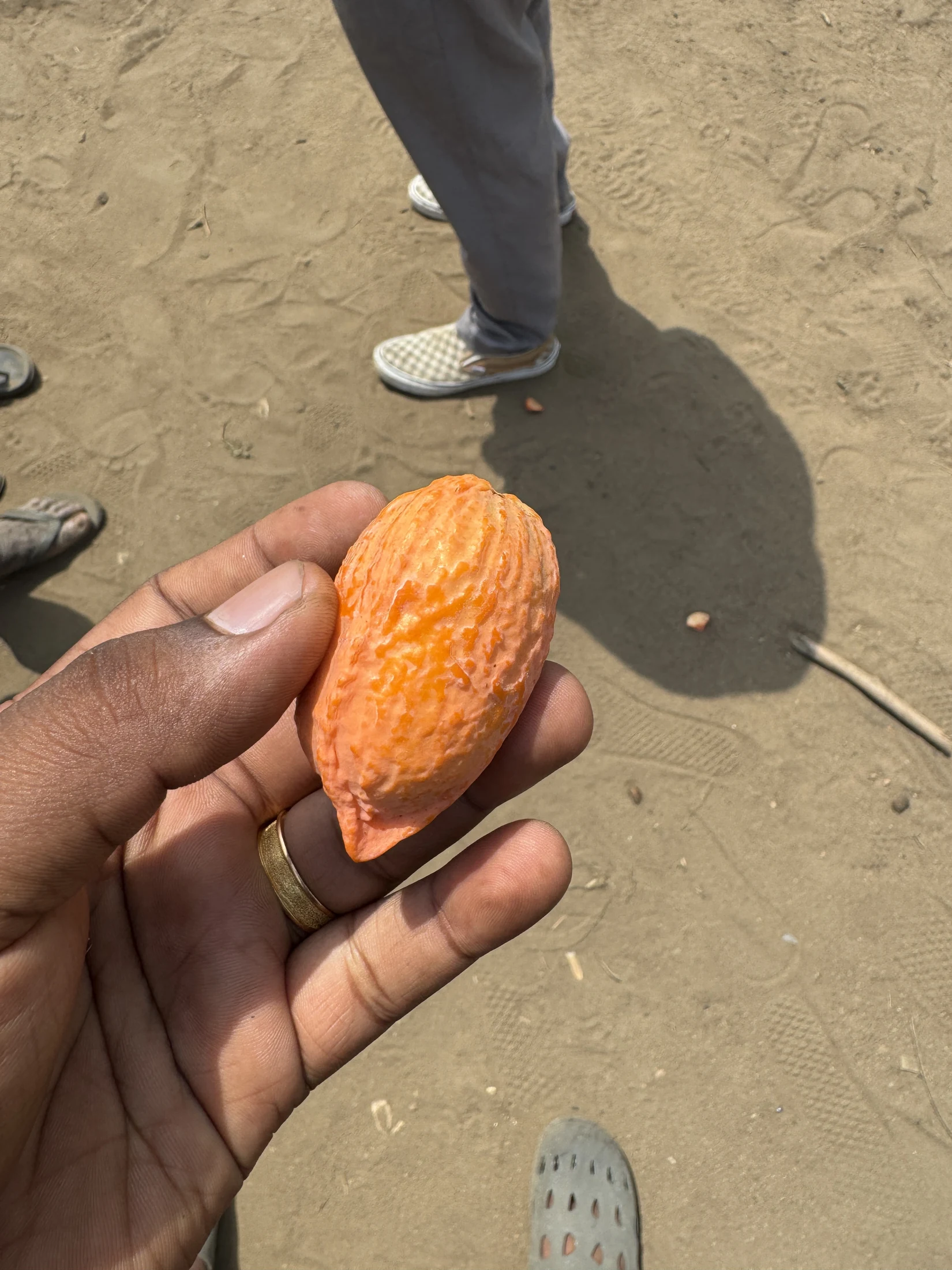
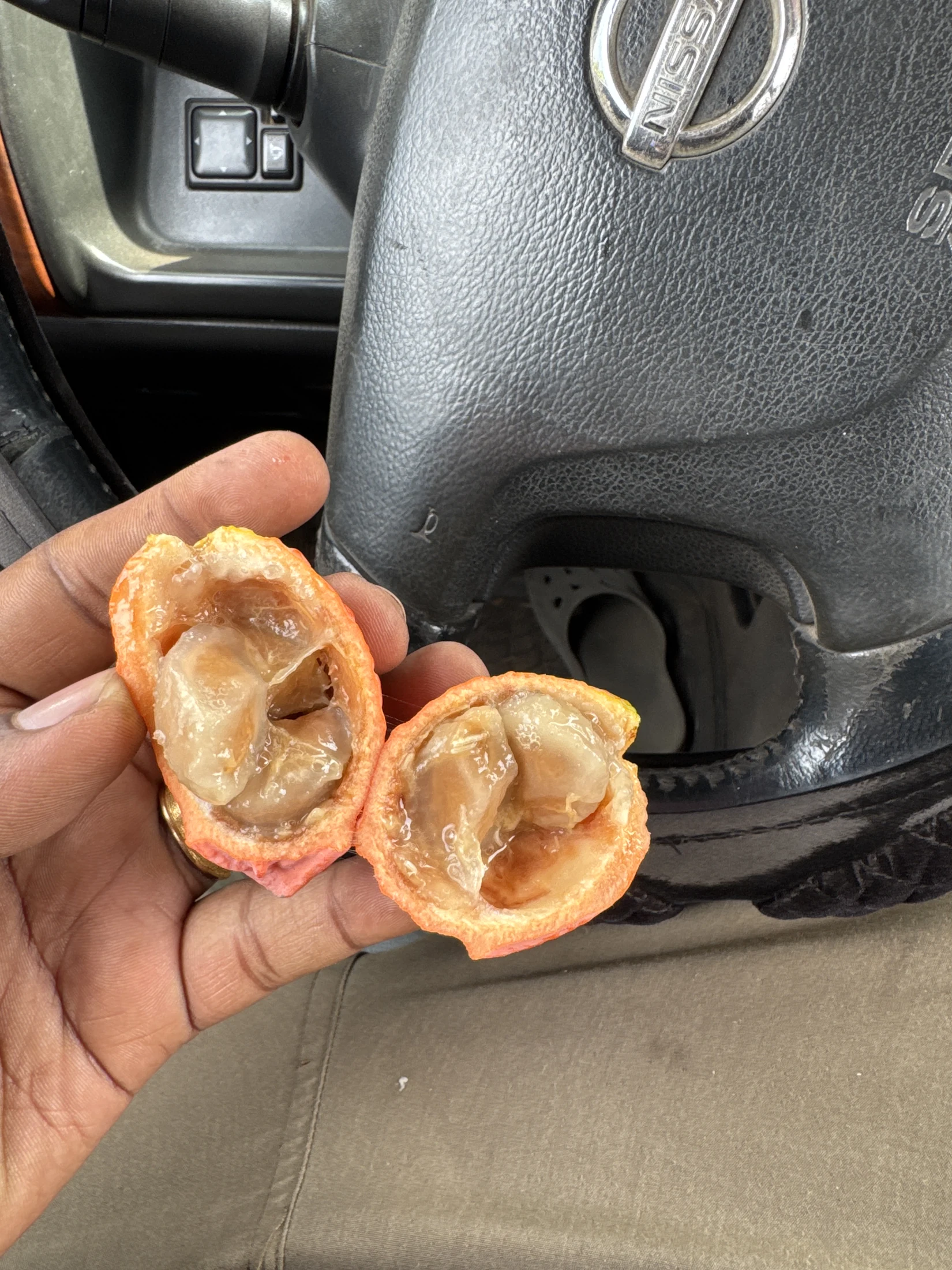
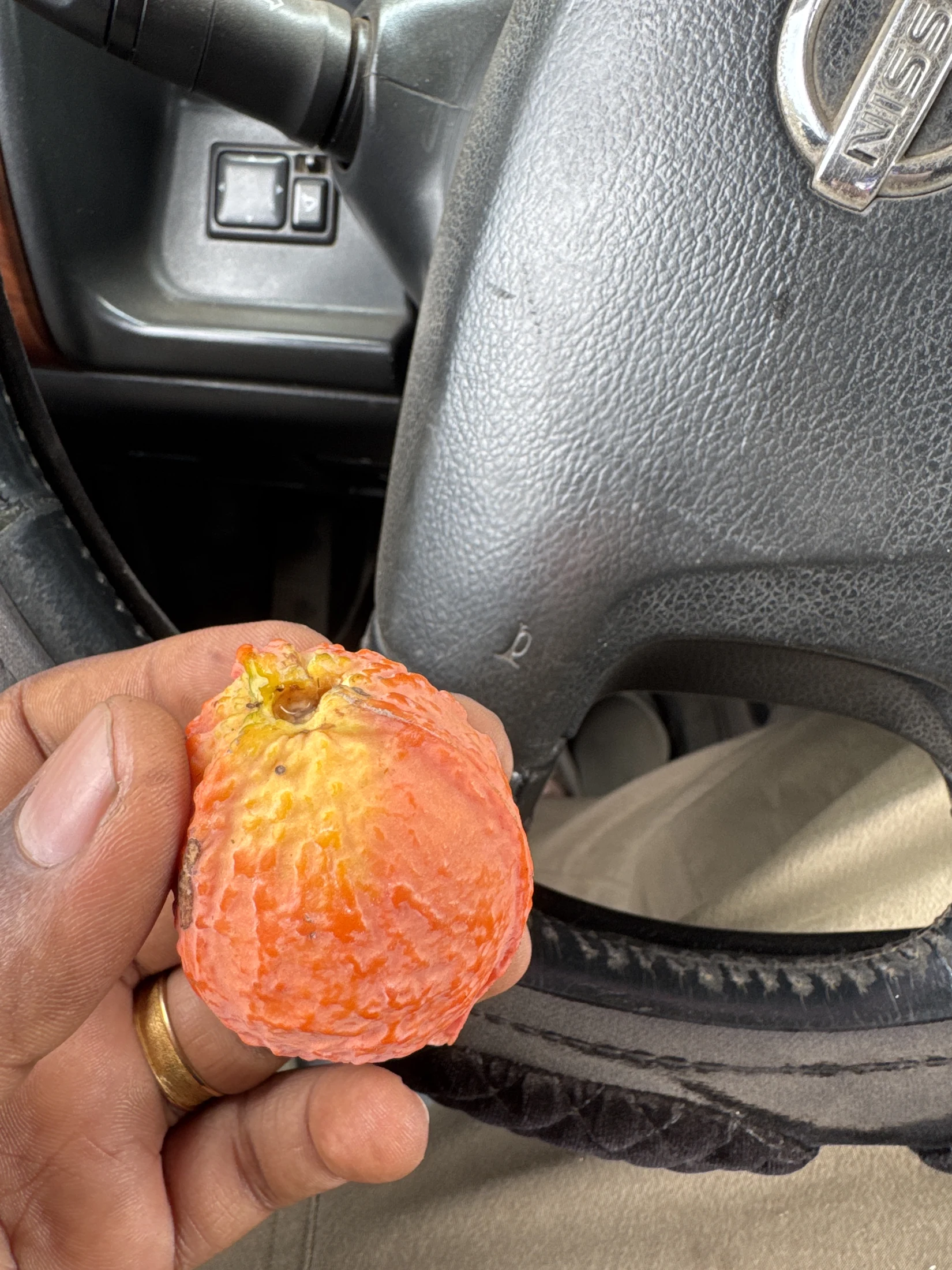
There was also a small, happy discovery during this stage of the work. One of my staff members gave me a fruit called Madd. It was my first time tasting it, and I found it wonderfully refreshing.
Among the construction work and the pressure of an unexpected delivery, that simple moment stayed with me. The photographs of the fruit belong in this chapter too, alongside the shelter and the pigs.
Another lesson to carry forward
We had already accepted that building MNC Farms would involve trial and error. The first pig shelter brought that lesson home again: we were trying to control costs, organise construction, and prepare for animals, all while learning.
The arrival did not go as planned. We rushed, adapted, and managed to give the pigs a place to stay. Looking back, this chapter holds both the pressure of that beginning and the small pleasure of trying something new.
Shelter, pig, and Madd fruit photographs supplied by MNC Farms for this chapter.
Published · Recalling the first pig shelter and the arrival of our first pigs, dated 23 March 2026.